
 Chepauk, 2013. Photo: Rohithriaz, CC BY-SA 3.0, via Wikimedia Commons
₹27 Crore and Counting: How the IPL Auction Really Works
Every IPL squad is built at an auction table. The strategy starts months before the first paddle goes up and shapes a franchise for years afterwards.
Most leagues build squads through drafts or transfers. The IPL uses something more theatrical: a live, open auction, where franchise owners, coaches and analysts sit at their tables and bid against each other, one player at a time.
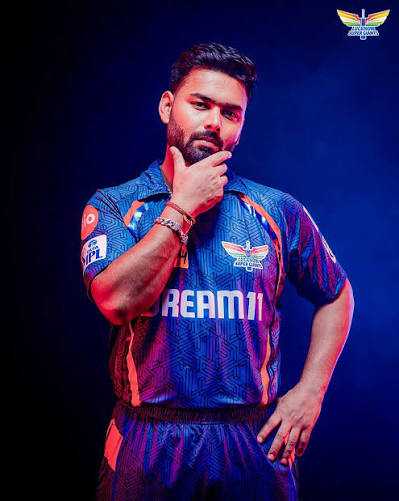
At the 2025 mega auction, held in Jeddah, Saudi Arabia, in November 2024, Lucknow Super Giants paid ₹27 crore for Rishabh Pant, the most ever paid for a player in IPL history. Minutes earlier, Punjab Kings had signed Shreyas Iyer for ₹26.75 crore.
The salary purse
Every franchise gets the same budget, called the purse, to spend on its whole squad. For the 2025–2027 cycle it was set at ₹120 crore. Money spent on retained players comes out of the purse before the auction starts, so a team that keeps several stars arrives with less to spend.
Retentions and the Right to Match
Before a mega auction, teams can keep part of their existing squad. For 2025, each franchise could hold on to up to six players in total, either by retaining them in advance or by using a Right to Match (RTM) card during the auction.
- Retention locks in a player before the auction at a fixed price slab, with the top slab set at ₹18 crore.
- RTM lets a team's former player go into the auction and then match the winning bid to bring him back. Under the latest rules, the highest bidder first gets one final chance to raise the price before the RTM decision.
One quirk made headlines: a player who has not played international cricket for five years can be retained as an uncapped player at a much lower price. That is how Chennai kept MS Dhoni for ₹4 crore.
How the bidding works
Players register in advance and set a base price, the minimum bid. They are grouped into sets (marquee players, capped batters, uncapped bowlers and so on) and called up one by one. The auctioneer opens at the base price, and teams raise paddles to bid in fixed increments until only one bidder is left.
Players nobody bids for go unsold, but they can return in the faster "accelerated" rounds near the end of the auction, when teams nominate the players they want to see again.
Mega vs mini auctions
A mega auction takes place every few years. Most players go back into the pool and squads are rebuilt almost from scratch. In the seasons between, a smaller mini auction lets teams fill gaps after releasing a handful of players. Mini auctions often produce the wildest prices, because many teams chase the same few high-quality overseas players.
How the record has grown
| Season | Player | Team | Price |
|---|---|---|---|
| 2008 | MS Dhoni | Chennai Super Kings | US$1.5 million |
| 2015 | Yuvraj Singh | Delhi Daredevils | ₹16 crore |
| 2021 | Chris Morris | Rajasthan Royals | ₹16.25 crore |
| 2023 | Sam Curran | Punjab Kings | ₹18.50 crore |
| 2024 | Mitchell Starc | Kolkata Knight Riders | ₹24.75 crore |
| 2025 | Rishabh Pant | Lucknow Super Giants | ₹27 crore |
Bargains matter more than blockbusters
Record signings grab the headlines, but titles are usually won with value buys. Teams that spot uncapped Indian players early, or pick up proven players for close to their base price, can spend big elsewhere. The same mega auction that produced a ₹27 crore bid also saw Rajasthan Royals sign a 13-year-old, Vaibhav Suryavanshi, for ₹1.10 crore. A few months later he became the youngest centurion in IPL history.
The takeaway: equal purses, limited retentions and an open auction keep the league competitive. Every team starts from the same budget; what matters is how well it spends.